

Seatbelts lock to prevent excessive movement during sudden stops or impacts. This crucial safety feature plays a vital role in protecting occupants in vehicles. When you hit the brakes hard, the seatbelt locks up to secure you in place, minimizing the risk of injury. Understanding why seatbelts lock can provide insight into the design and functionality of this essential safety device. Let’s delve deeper into the mechanics and importance of seatbelt locking mechanisms.

Why Do Seatbelts Lock: Understanding the Importance of Seatbelt Mechanisms
Welcome, young explorers! Today, we are going to dive into the exciting world of seatbelt mechanisms and uncover the mystery behind why seatbelts lock. Have you ever wondered why your seatbelt sometimes feels tight or locks in place when you pull it too quickly? Well, buckle up as we unravel the secrets behind this essential safety feature in vehicles.
The Basics of Seatbelt Functionality
First things first, let’s learn how seatbelts work to keep us safe. Seatbelts are like superheroes of the car world, designed to protect us in case of an accident. They are made of strong materials that can withstand a lot of force and are specially engineered to keep us from moving around too much if there is a sudden stop or collision.
Now, when you pull your seatbelt across your body and click it into place, you might notice that it feels a bit loose. That’s because seatbelts have a special mechanism that allows them to adjust to your movements while you’re driving. But why do seatbelts lock sometimes? Let’s find out!
The Role of Retractors in Seatbelt Locking
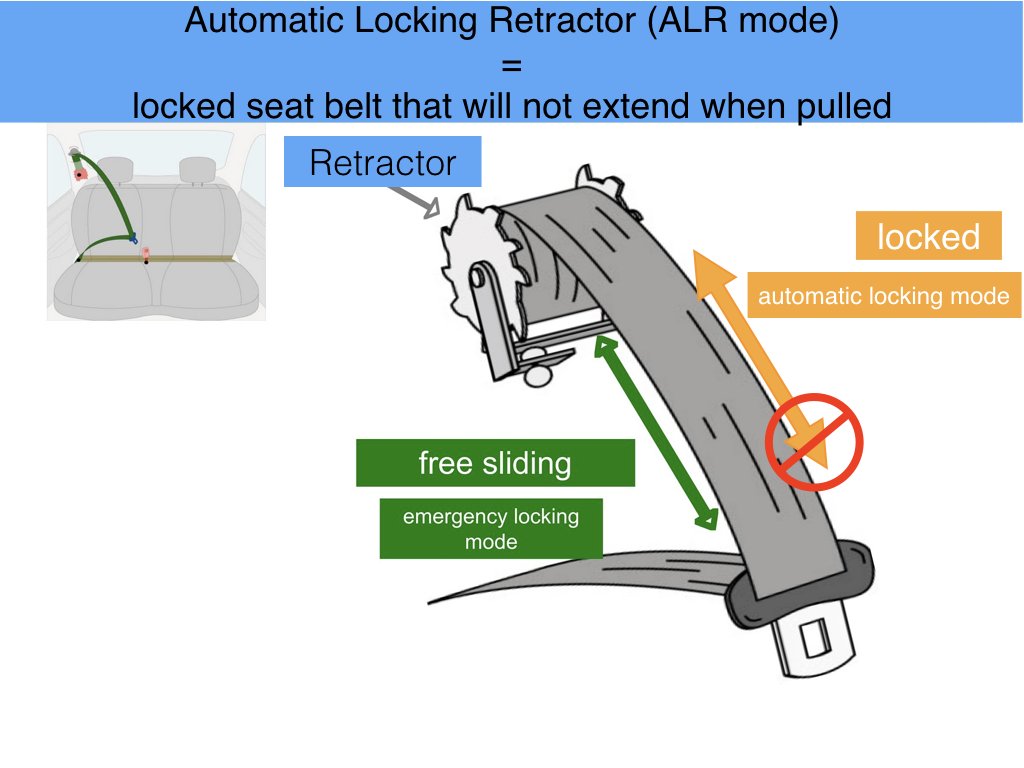
One of the key components of a seatbelt system is the retractor. Retractors are like the guardians of your seatbelt, controlling how much slack is in the belt and ensuring that it stays snug around you while you’re on the road. They have a clever locking mechanism that kicks in when there is a sudden jolt or force applied to the belt.
Imagine you’re driving along and suddenly have to slam on the brakes. In that split second, the retractor detects the rapid movement and triggers the locking mechanism to prevent you from lurching forward. This is why your seatbelt might feel tight or locked in place during or after an abrupt stop.
Understanding Inertia and Seatbelt Locking
Now, let’s talk about a fascinating force called inertia. Inertia is what keeps things in motion or at rest unless acted upon by an external force. When you’re driving in a car and it comes to a sudden halt, your body wants to keep moving forward due to inertia. This is where seatbelts come to the rescue by applying a force in the opposite direction to keep you securely in your seat.
Seatbelt locking is a crucial function that harnesses the power of inertia to protect you during a collision. The locking mechanism prevents excessive movement, reducing the risk of injuries by keeping you restrained in your seat.
The Importance of Seatbelt Locking in Preventing Injuries
Now that we understand why seatbelts lock, let’s delve into why this feature is so important for our safety. In the event of a crash, the forces involved can be incredibly powerful and can cause passengers to be thrown around inside the vehicle. Without a locked seatbelt, you would be at risk of hitting hard surfaces or even being ejected from the vehicle.
Seatbelt locking helps to distribute the force of impact across your body, reducing the risk of severe injuries to your head, chest, and limbs. By keeping you firmly in place, seatbelts minimize the chances of you getting hurt in a collision.
Seatbelt Locking and Child Safety
Seatbelt locking is especially critical for young passengers who are more vulnerable to injuries in car accidents. Children are still growing and developing, which makes them more susceptible to the forces of a crash. Properly locked seatbelts can make a significant difference in protecting children from harm during a collision.
Parents and caregivers must ensure that children are securely belted in and that the seatbelt locking mechanism is functioning correctly. By using appropriate child safety seats and ensuring that seatbelts are properly adjusted and locked, we can keep our little ones safe on the road.
And there you have it, explorers! We’ve uncovered the secrets behind why seatbelts lock and learned how this essential safety feature keeps us protected in the unpredictable world of driving. Seatbelt locking is a crucial mechanism that works behind the scenes to safeguard us in the event of a crash, harnessing the power of inertia to keep us secure.
So, the next time you fasten your seatbelt and feel it snugly locked in place, remember that it’s there to keep you safe on your journey. Seatbelts may seem simple, but they play a vital role in reducing injuries and saving lives every day. Stay safe, buckle up, and enjoy the ride!
When Your Seat Belt Locks Up #shorts #relatable
Frequently Asked Questions
Why do seatbelts lock?
Seatbelts are designed to lock during sudden deceleration, preventing occupants from being thrown forward. This locking mechanism activates when the vehicle detects a rapid change in speed, ensuring that the seatbelt stays securely in place to restrain the occupant.
How does a seatbelt locking mechanism work?
A seatbelt locking mechanism typically involves a retractor that has a sensor sensitive to sudden movements or changes in speed. When the sensor detects a quick deceleration, it triggers the locking mechanism to engage, stopping the seatbelt from extending further and holding the passenger in place during a potential collision.
Can seatbelts lock if not worn properly?
Seatbelts are designed to lock in response to vehicle movement and sudden changes in speed. However, improper wearing of a seatbelt can affect its ability to function correctly. For optimal safety, it is important to wear the seatbelt as instructed by the manufacturer to ensure the locking mechanism works effectively in an emergency.
Final Thoughts
Seatbelts lock to keep passengers safe during sudden stops or collisions. The locking mechanism ensures the seatbelt tightens up, preventing occupants from being thrown forward. This feature is crucial in reducing the risk of serious injuries in car accidents. Understanding why seatbelts lock emphasizes the importance of wearing them properly for maximum protection. Remember, seatbelts save lives.
