
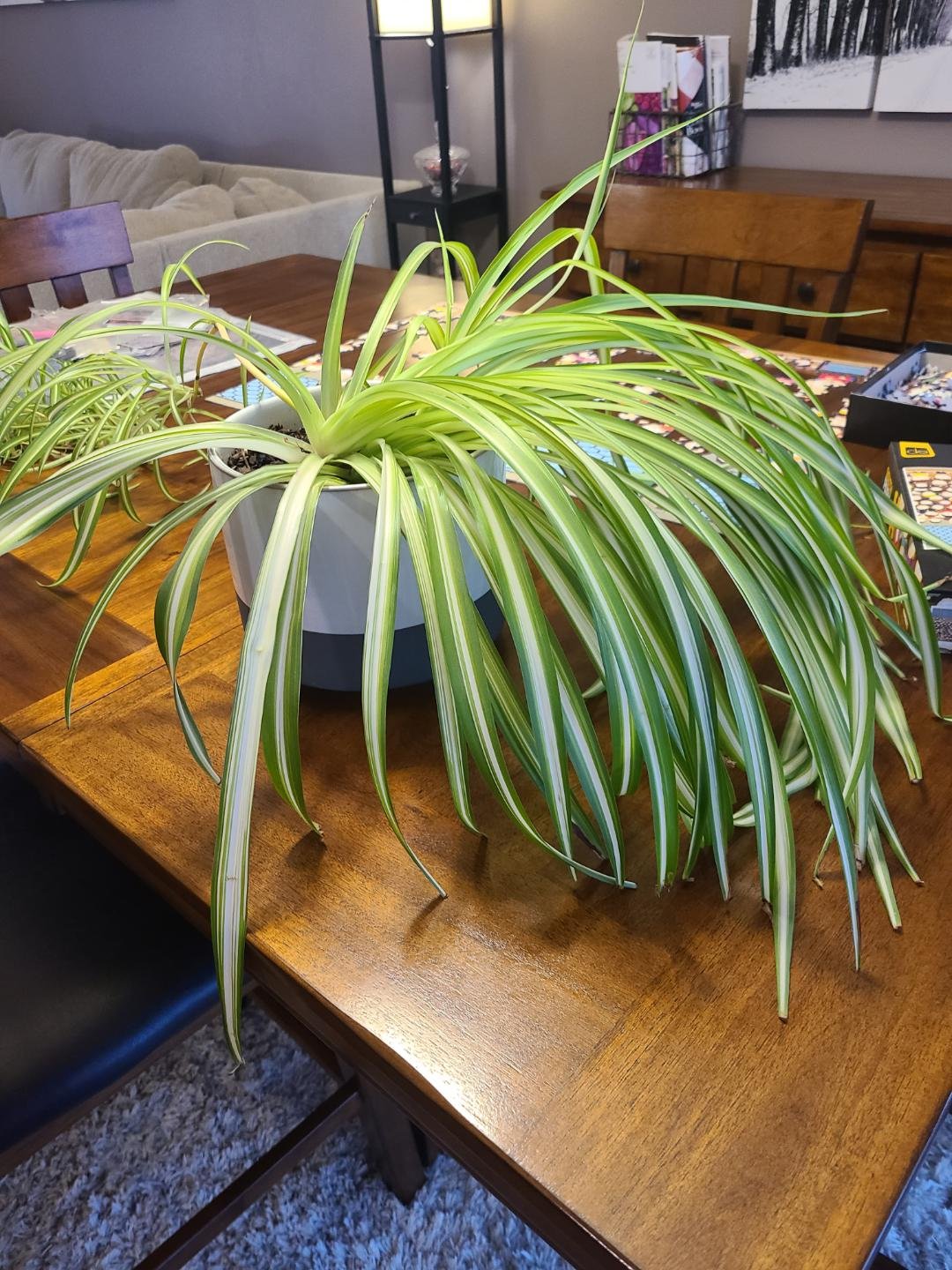

Your spider plant might be drooping due to overwatering. Excessive moisture can cause the roots to rot, leading to wilting leaves and a sad-looking plant. Ensure you are allowing the soil to dry out between waterings to prevent this issue. Checking the drainage of your pot and adjusting your watering schedule can help revive your drooping spider plant. Let’s explore the common reasons why spider plants droop and how you can care for them to keep them healthy and vibrant.

Why Is My Spider Plant Drooping?
Spider plants are popular houseplants known for their air-purifying qualities and easy care. If you’ve noticed your spider plant looking a bit sad with drooping leaves, you’re not alone. There could be several reasons why your spider plant is drooping, but don’t worry, we’re here to help you troubleshoot and revive your beloved plant!
1. Overwatering
One common reason for a drooping spider plant is overwatering. Spider plants prefer well-draining soil, and their roots can rot if they sit in soggy conditions for too long. Check the soil moisture by sticking your finger into the soil about an inch deep. If it feels wet, hold off on watering until the topsoil feels slightly dry to the touch.
2. Underwatering
On the flip side, underwatering can also cause your spider plant to droop. If the soil is too dry, the plant may not be getting enough water to support its growth. Make sure to water your spider plant when the top inch of soil feels dry, but be careful not to let it sit in standing water.
3. Lack of Light
Spider plants thrive in bright, indirect light. If your plant is not getting enough sunlight, it may become leggy and droop. Place your spider plant near a window where it can receive plenty of natural light throughout the day. If natural light is limited, consider using a grow light to supplement its light requirements.
4. Temperature Stress
Spider plants are sensitive to extreme temperatures. If your plant is exposed to drafts or fluctuating temperatures, it may start to droop. Make sure to keep your spider plant in a stable environment with temperatures between 65-75°F (18-24°C). Avoid placing it near air vents or heaters that can create temperature extremes.
5. Rootbound Plant
As spider plants grow, they can become rootbound if not repotted regularly. A rootbound plant will have roots circling the pot and may struggle to absorb nutrients and water properly. Check the roots of your spider plant, and if they appear crowded, consider repotting it into a slightly larger container with fresh potting mix.
6. Pest Infestation
Spider plants are susceptible to pests like spider mites, mealybugs, and aphids. These tiny insects can suck the sap from the leaves, causing them to droop and wither. Inspect the leaves and stems of your plant for any signs of pests, and treat them using organic insecticidal soap or neem oil to get rid of the infestation.
7. Nutrient Deficiency
If your spider plant is not getting enough nutrients, it may exhibit drooping leaves as a sign of stress. Feed your spider plant with a balanced houseplant fertilizer diluted to half-strength during the growing season to ensure it has all the necessary nutrients for healthy growth.
8. Disease
In some cases, a drooping spider plant could be a symptom of a fungal or bacterial disease. Look out for any discoloration, spots, or unusual growth on your plant, as these could indicate a disease problem. If you suspect a disease, isolate the plant from your other houseplants and treat it with a suitable fungicide or bactericide.
By addressing these common issues and providing proper care, you can help your drooping spider plant bounce back to its former healthy self. Remember to observe your plant regularly, practice good plant care habits, and don’t hesitate to seek help from a plant expert if needed. Your spider plant will thank you with lush, vibrant foliage and a happy demeanor!
My Spider Plant is Dying? What Do I Do?
Frequently Asked Questions
Why is my spider plant drooping?
Spider plants can droop due to various reasons such as overwatering, underwatering, inadequate sunlight, or root-bound conditions. Overwatering can lead to root rot, causing the plant to droop. Conversely, underwatering can also cause drooping as the plant lacks the necessary moisture to thrive. Ensure your spider plant receives enough indirect sunlight, as lack of light can weaken the plant and lead to drooping. Additionally, if the roots are tightly packed in the pot, the plant may become root-bound, affecting its ability to absorb water and nutrients.
How can I revive a drooping spider plant?
To revive a drooping spider plant, start by assessing the watering schedule. Adjust watering to ensure the soil is moist but not waterlogged. Trim any yellow or damaged leaves to redirect energy to healthier parts of the plant. If the plant is root-bound, consider repotting it into a larger container with fresh potting mix. Place the plant in a location with adequate indirect sunlight and mist the leaves occasionally to increase humidity levels. With proper care and attention, your spider plant should gradually perk up.
Can environmental factors cause a spider plant to droop?
Yes, environmental factors can contribute to a spider plant drooping. Fluctuations in temperature, drafts, or sudden changes in light exposure can stress the plant, leading to drooping leaves. Spider plants prefer consistent temperatures and indirect sunlight, so ensure the plant is not exposed to extreme conditions. Avoid placing the plant near heaters, air conditioning vents, or cold drafts as these can negatively impact its overall health.
Final Thoughts
Your spider plant may be drooping due to overwatering, lack of sunlight, or root-bound conditions. To revive your plant, ensure proper drainage, provide adequate sunlight, and repot if needed. Remember to water only when the top inch of soil is dry. Monitoring these factors will help keep your spider plant healthy and thriving. Remember, understanding the reasons behind “why is my spider plant drooping” is crucial for its long-term well-being.
